Booking choice: The private art day, from $278 per person. Check dates Compare the options below
The Farnese came from Lazio and rose through the Church: Alessandro Farnese became Pope Paul III, and in 1545 he made his son Pier Luigi Duke of Parma and Piacenza. Eight Farnese dukes followed until the line died out in 1731, and a Farnese princess carried their inheritance to the Bourbons of Spain.
Below: the dukes one by one, the Pilotta and the Ducal Park, Ranuccio I and his theatre, the 1628 wedding, Elisabetta Farnese and the collections that went to Naples, and where to see Farnese Parma today. Facts come from English and Italian Wikipedia; check opening times locally.
The quick answer
The Farnese ruled Parma from 1545 to 1731: Pier Luigi, Ottavio, Alessandro, Ranuccio I, Odoardo, Ranuccio II, Francesco and Antonio. They built the Pilotta (from around 1580), the Palazzo del Giardino and the Ducal Park (from 1561) and the Teatro Farnese (1618). The last duke died without heirs in 1731, and Parma passed to Don Carlos, son of Elisabetta Farnese, Queen of Spain. Today you see their Parma in the Pilotta, the Ducal Park and the crypt of the Steccata.
Who were the Farnese dukes of Parma?
Eight dukes from 1545 to 1731, starting with Pier Luigi, the son of Pope Paul III, and ending with Antonio, who died without direct heirs.
Reign dates follow English Wikipedia's House of Farnese.
| Duke | Reign | Remembered for |
|---|---|---|
| Pier Luigi | 1545 to 1547 | Made duke by his father, Pope Paul III; murdered in Piacenza |
| Ottavio | 1547 to 1586 | Married Margaret of Parma; began the Pilotta and the Ducal Park |
| Alessandro | 1586 to 1592 | Governor of the Spanish Netherlands and a great general |
| Ranuccio I | 1592 to 1622 | The Teatro Farnese; the harsh justice of 1612 |
| Odoardo | 1622 to 1646 | His 1628 wedding opened the Teatro Farnese |
| Ranuccio II | 1646 to 1694 | One of the most splendid courts in Italy |
| Francesco | 1694 to 1727 | Duke for 33 years |
| Antonio | 1727 to 1731 | The last Farnese duke |
How did the Farnese become dukes of Parma?
Through the papacy: Pope Paul III made his son Pier Luigi Duke of Parma and Piacenza in 1545, from lands that had belonged to the Papal States. Pier Luigi was murdered in Piacenza on 10 September 1547.
English Wikipedia records that he took possession in 1546 and agreed to pay the Holy See 9,000 gold ducats a year. The plot against him was organised by Ferrante Gonzaga, the governor of Milan; the conspirators stabbed him and hung his body from a window of his palace. His son Ottavio held on to the duchy by marrying Margaret of Parma, the daughter of Emperor Charles V, and later moved his court from Piacenza to Parma.
What did Ottavio and Alessandro build?
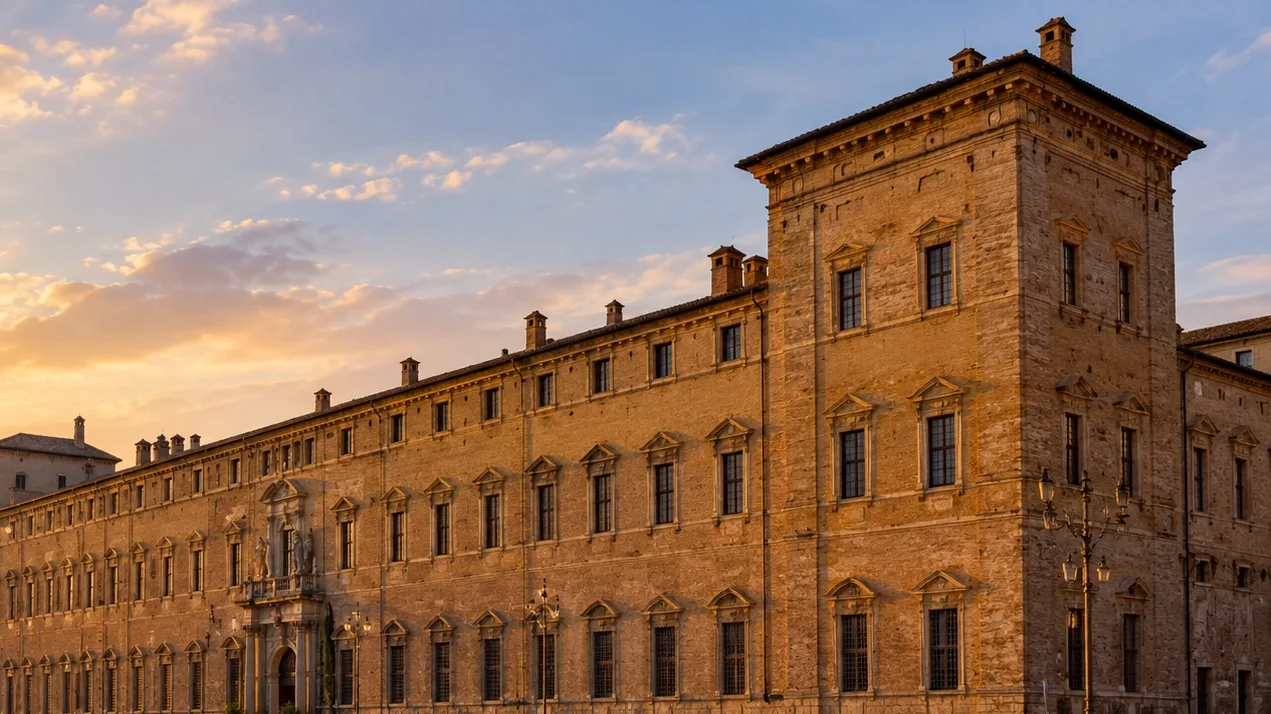
Ottavio began the Pilotta around 1580, and from 1561 the Palazzo del Giardino and the Ducal Park across the river, designed by Jacopo Barozzi da Vignola. Alessandro, a military commander, was Governor of the Spanish Netherlands.
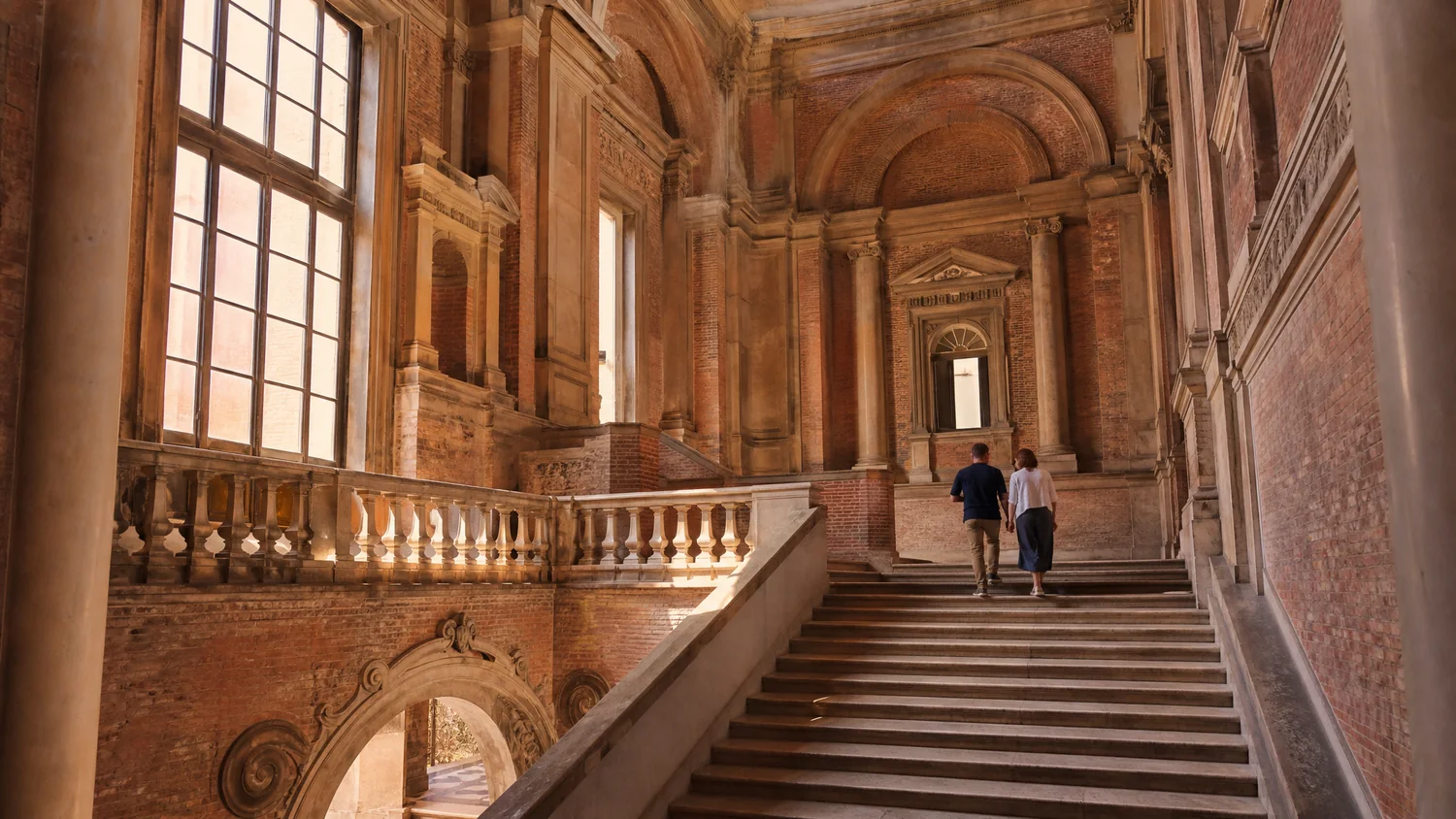
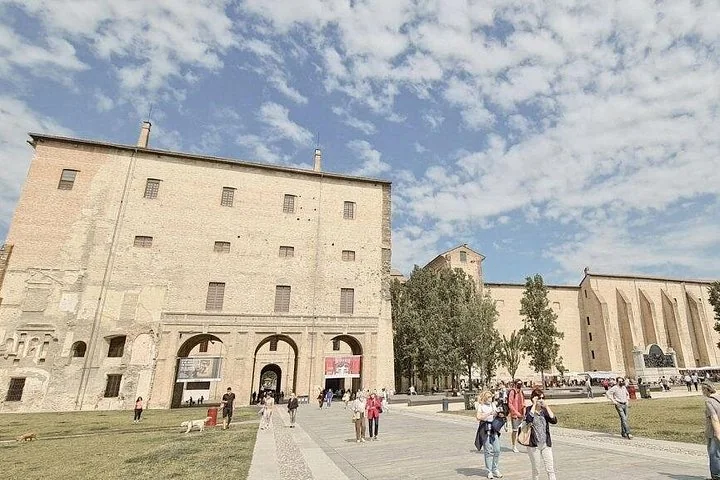
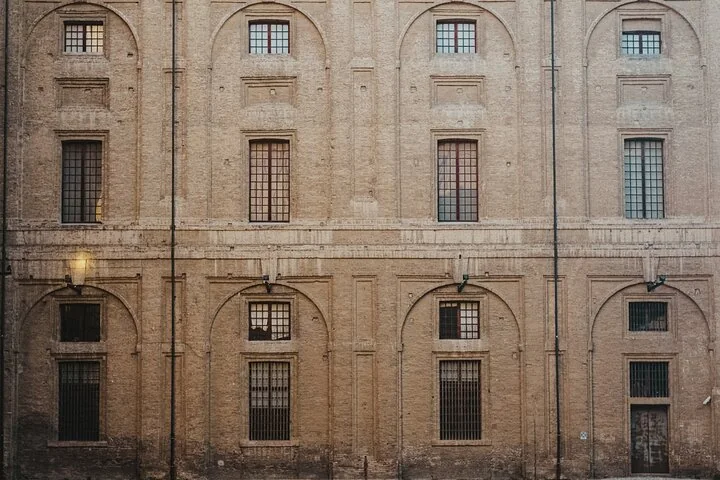
The Pilotta grew around the Corridore, a long straight wing on pillars, and linked the old Rocchetta Viscontea, whose traces still show along the river, to the ducal palace. Its name comes from pelota, a ball game Spanish soldiers played in one of its courtyards. The Palazzo del Giardino now houses the provincial command of the Carabinieri; the Ducal Park, public since Italian unification, covers about 21 hectares.
See Farnese Parma with a private guide, from the Pilotta to the Steccata, with every ticket included.
Check dates for the private art dayWhat did Ranuccio I do for Parma?
He built the Teatro Farnese in 1618, pushed on with the Pilotta from 1602 and revived the University of Parma; he also executed a group of nobles accused of conspiracy in 1612.
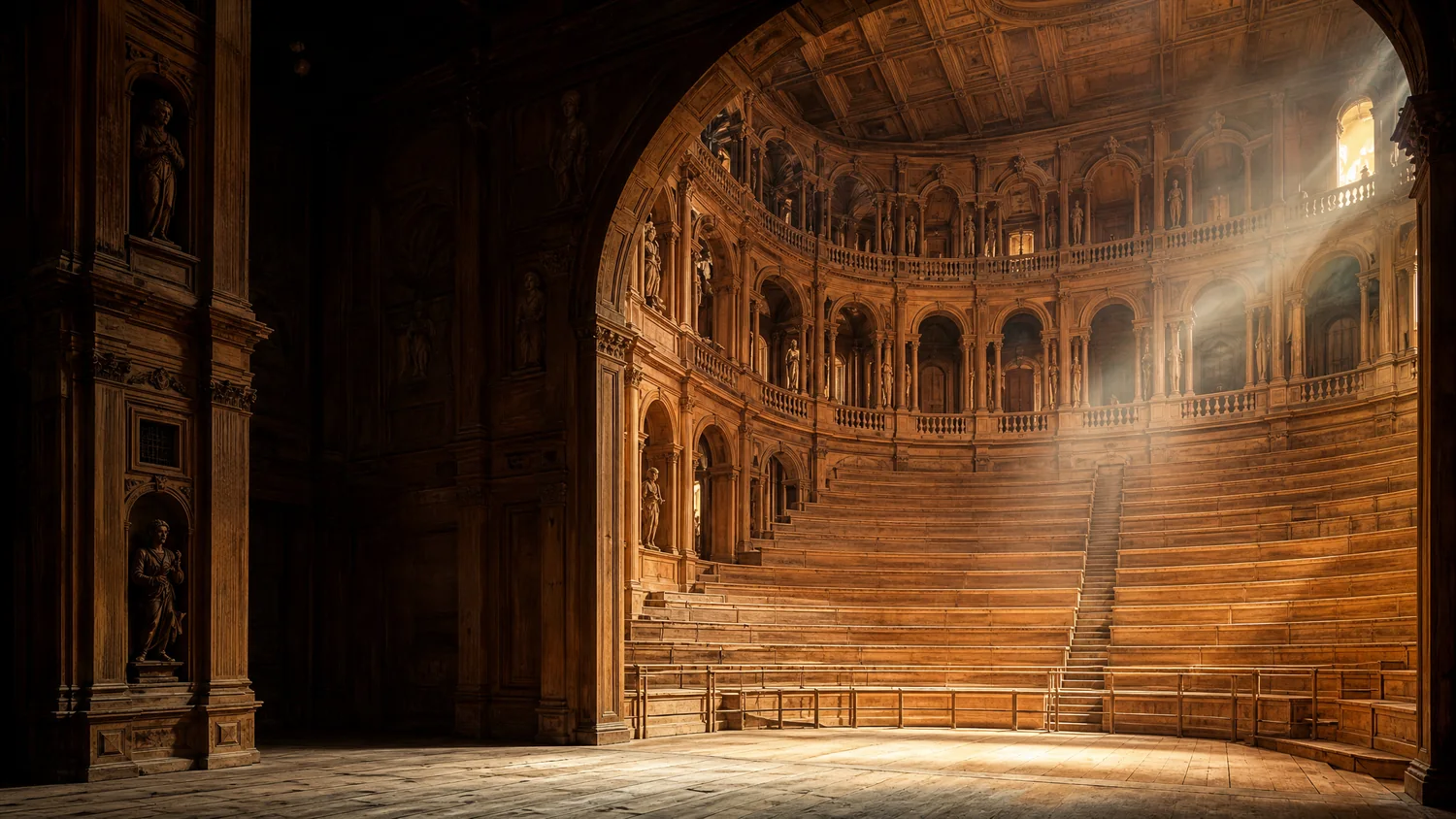
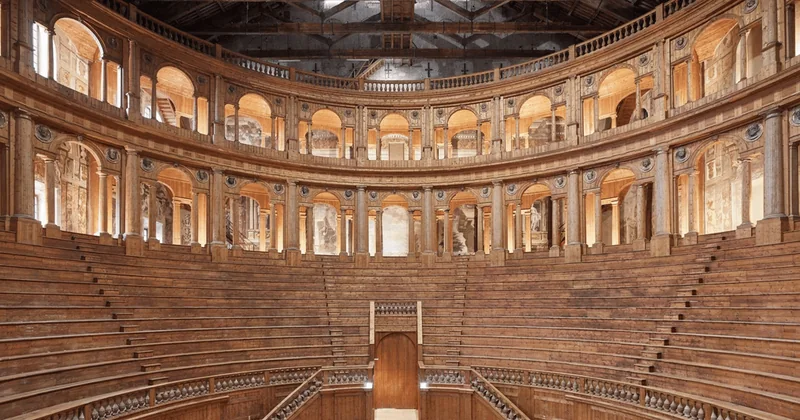
English Wikipedia describes him as a believer in absolute rule, who centralised the state in 1594 and cut back the privileges of the nobles. The 'Great Justice' of 1612 sent several of them to the scaffold, and the affair damaged his standing among Italy's ruling families. His great work in Parma is the one you can still see: the Teatro Farnese, built by Giovan Battista Aleotti in a former armoury of the Pilotta.
What was the Farnese wedding of 1628?
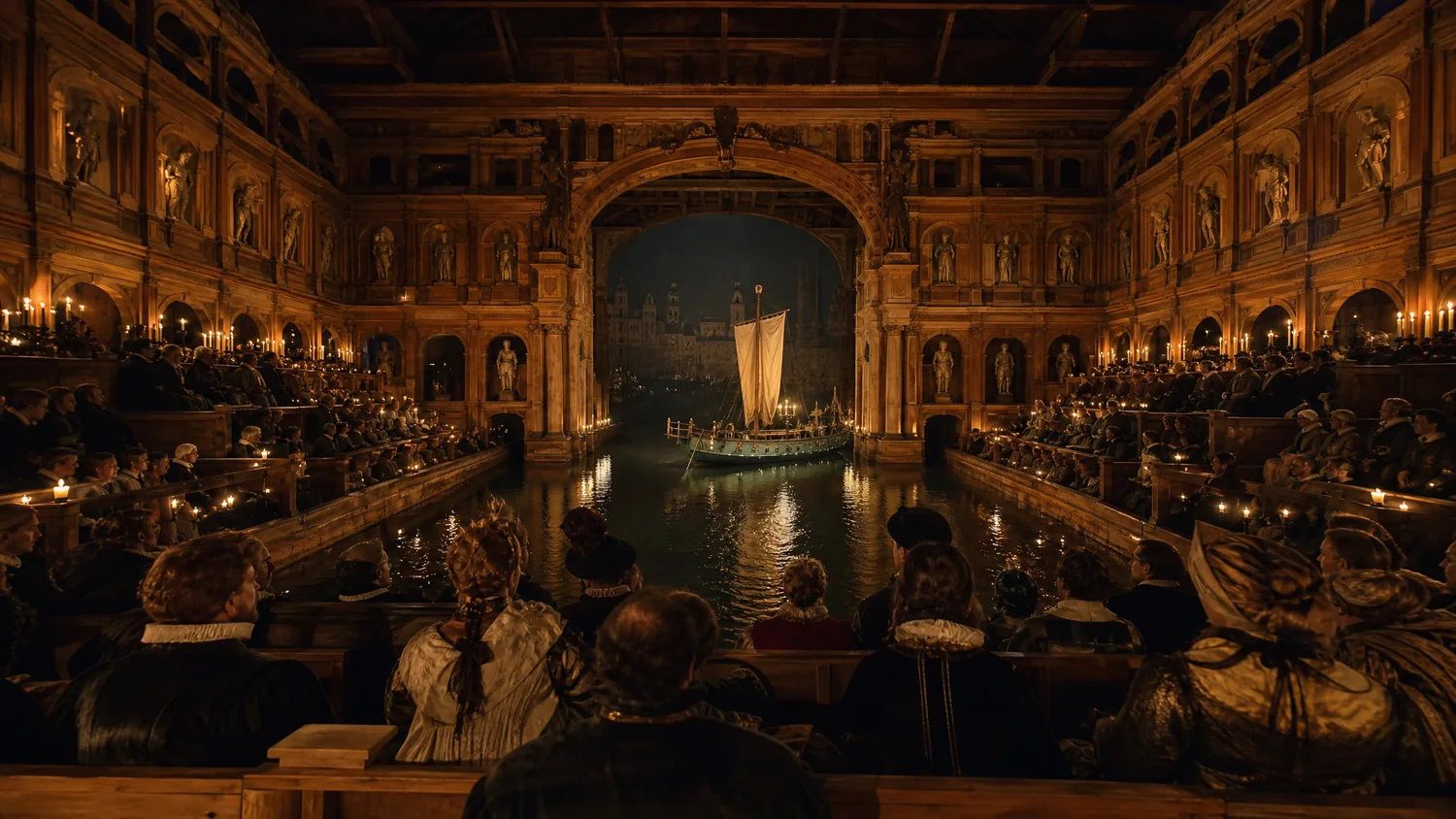
The marriage of Duke Odoardo Farnese to Margherita de' Medici, celebrated on 21 December 1628 by opening the Teatro Farnese with 'Mercurio e Marte', music by Monteverdi and a flooded floor for a sea battle.
Odoardo had become duke as a boy in 1622, under the regency of his uncle. A Medici bride was a prize for a young dynasty, and the ten-year-old theatre finally had an occasion grand enough. The full story is in our history of the Teatro Farnese.
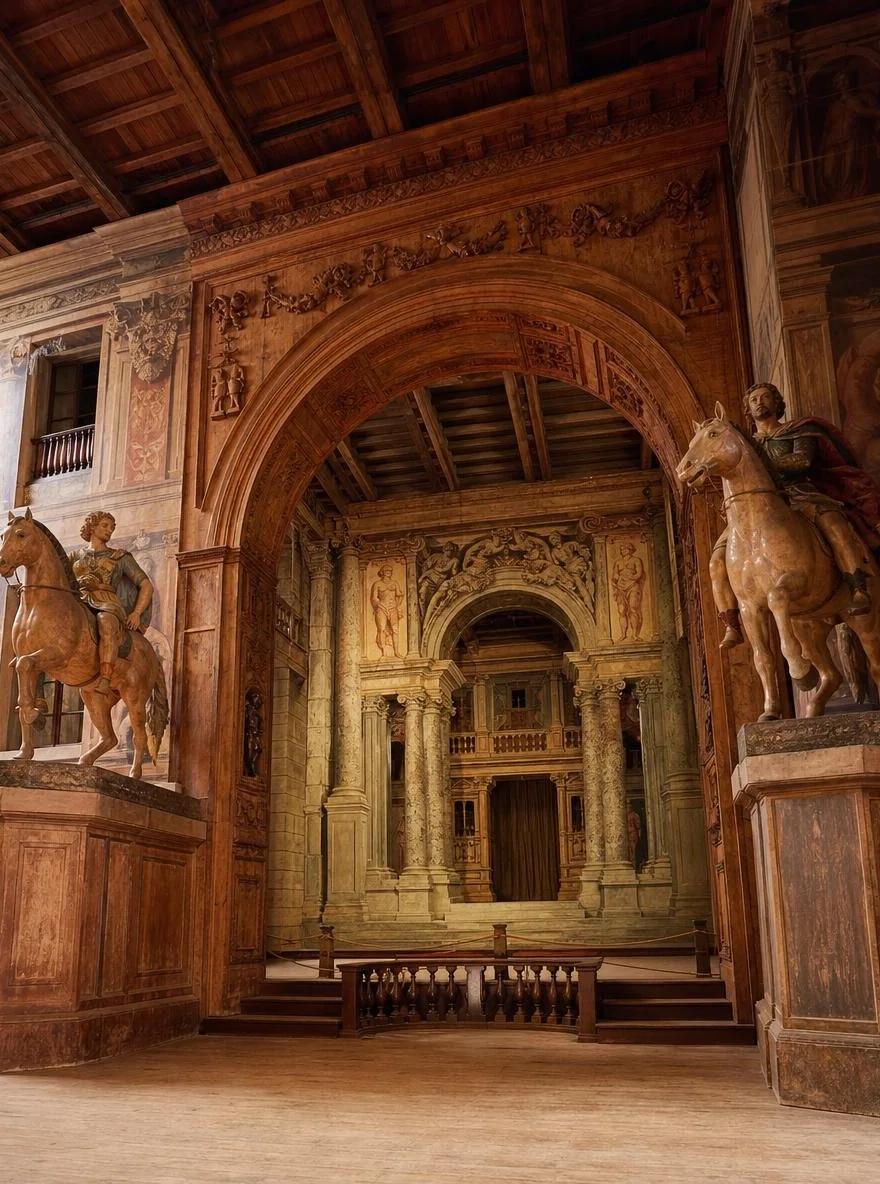
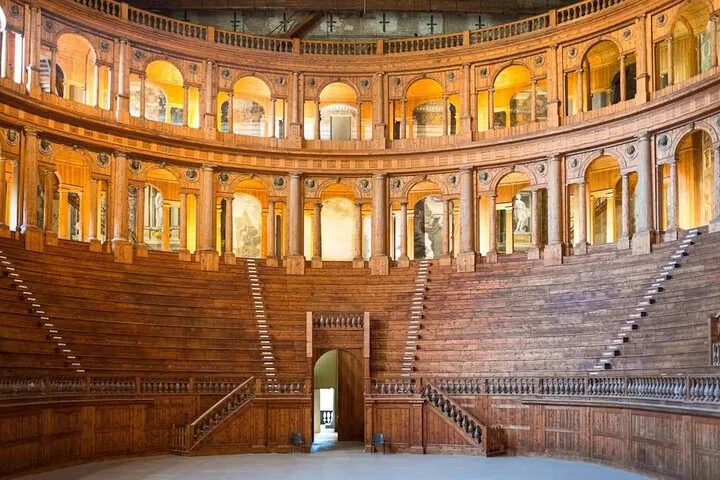
Your own guide for the Pilotta and a full hour in the Teatro Farnese, one price for up to 15. Museum tickets are extra.
Explore the private theatre and Pilotta tourWho was Elisabetta Farnese?
The niece of the last duke, Antonio, and Queen of Spain as the wife of Philip V (1692 to 1766). When the Farnese line died out in 1731, Parma passed to her son Don Carlos of Bourbon.
The Teatro Farnese's last performance, in 1732, was for Don Carlos. He later became King of Naples and decided to move the family's collections there; his son Ferdinand IV finished the move in 1787. That is why much of the Farnese collection is now in Naples: the sculptures at the National Archaeological Museum and most of the paintings at Capodimonte.
Where can you see Farnese Parma today?
In the Pilotta with its theatre and gallery, the Ducal Park across the river, and the Basilica of Santa Maria della Steccata, where a crypt holds the tombs of the Farnese and Bourbon dukes.
Maria Luigia had the crypt made in 1823 for the tombs of the Farnese and Bourbon-Parma families, and the Farnese remains had been moved there in 1813. We could not confirm when the crypt is open, so ask at the church. The Steccata itself, built from 1521 to 1539, has Parmigianino's frescoes of the wise and foolish virgins.
| Place | Farnese link | Can you visit? |
|---|---|---|
| Pilotta | Palace begun by Ottavio, theatre by Ranuccio I | Yes, EUR 18 ticket, Tuesday to Sunday |
| Ducal Park | Laid out from 1561 for Ottavio; fish pond of 1690 for Ranuccio II | Yes, a public park |
| Palazzo del Giardino | Built from 1561 by Vignola for Ottavio | Carabinieri headquarters; not a museum |
| Santa Maria della Steccata | Crypt of the Farnese and Bourbon dukes | The church, yes; ask about the crypt |
| Rocchetta Viscontea | Old fortress joined to the Pilotta | Traces along the river |
Only have a morning? A private guide links the Pilotta, the Steccata and Correggio, all tickets included.
Check dates for the private art dayIs there a tour of Farnese Parma?
Not one sold under that name, but the private art day covers the Pilotta, the Teatro Farnese and the Steccata, with entrance tickets included, for $278 per person.
The private art day starts at 9:00 at the Pilotta and runs about 5 hours: the Camera di San Paolo, the Baptistery, the Cathedral, the Steccata, about an hour in the Galleria Nazionale and 30 minutes in the Teatro Farnese. It is rated 5.0 from 8 reviews. For the palace and theatre only, the private Pilotta and theatre tour costs $174 per group, with museum tickets extra.
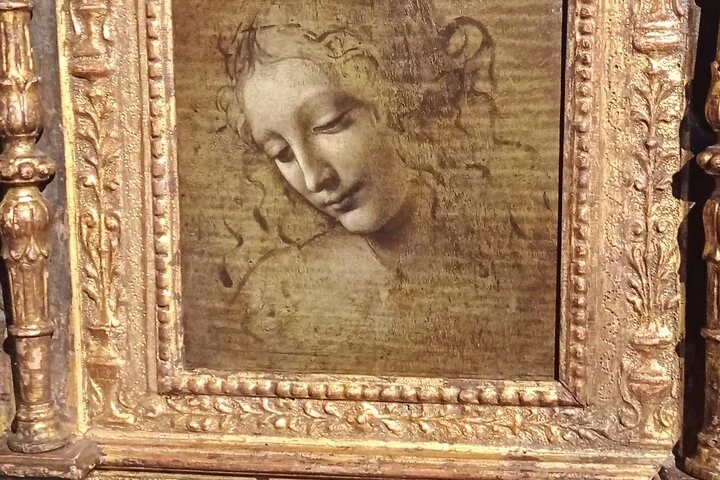
The Pilotta, the Teatro Farnese, the Steccata and Correggio's Parma with a private guide, every ticket included.
Explore the private art dayFrequently asked questions
Who was the first Farnese Duke of Parma?
Pier Luigi Farnese, son of Pope Paul III, made duke in 1545 and murdered in Piacenza in 1547.
Who was the last Farnese duke?
Antonio Farnese, who died without direct heirs in 1731. Parma passed to Don Carlos, son of Elisabetta Farnese.
Where are the Farnese buried?
Their tombs are in a crypt made in 1823 under the Basilica of Santa Maria della Steccata in Parma.
Why is the Farnese collection in Naples?
Don Carlos of Bourbon moved it there; his son Ferdinand IV finished the move in 1787.
Ready to book
Choose your visit
Free cancellation up to 24 hours before on every option. Prices are from-prices in USD and move with the season.
Private Parma Art Day with the Teatro Farnese
- Private guide for your group, 9:00 start at the Pilotta entrance
- Entrance tickets included: Galleria Nazionale, Teatro Farnese, Cathedral, Camera di San Paolo
- About 1 hour in the gallery and 30 minutes in the Teatro Farnese
Private Teatro Farnese and Pilotta Tour
- Private licensed guide for your group only, up to 15 people
- About 1 hour 30 minutes in the Pilotta, then 1 hour in the Teatro Farnese
- Meet at Piazza della Pilotta 5 and end back there